
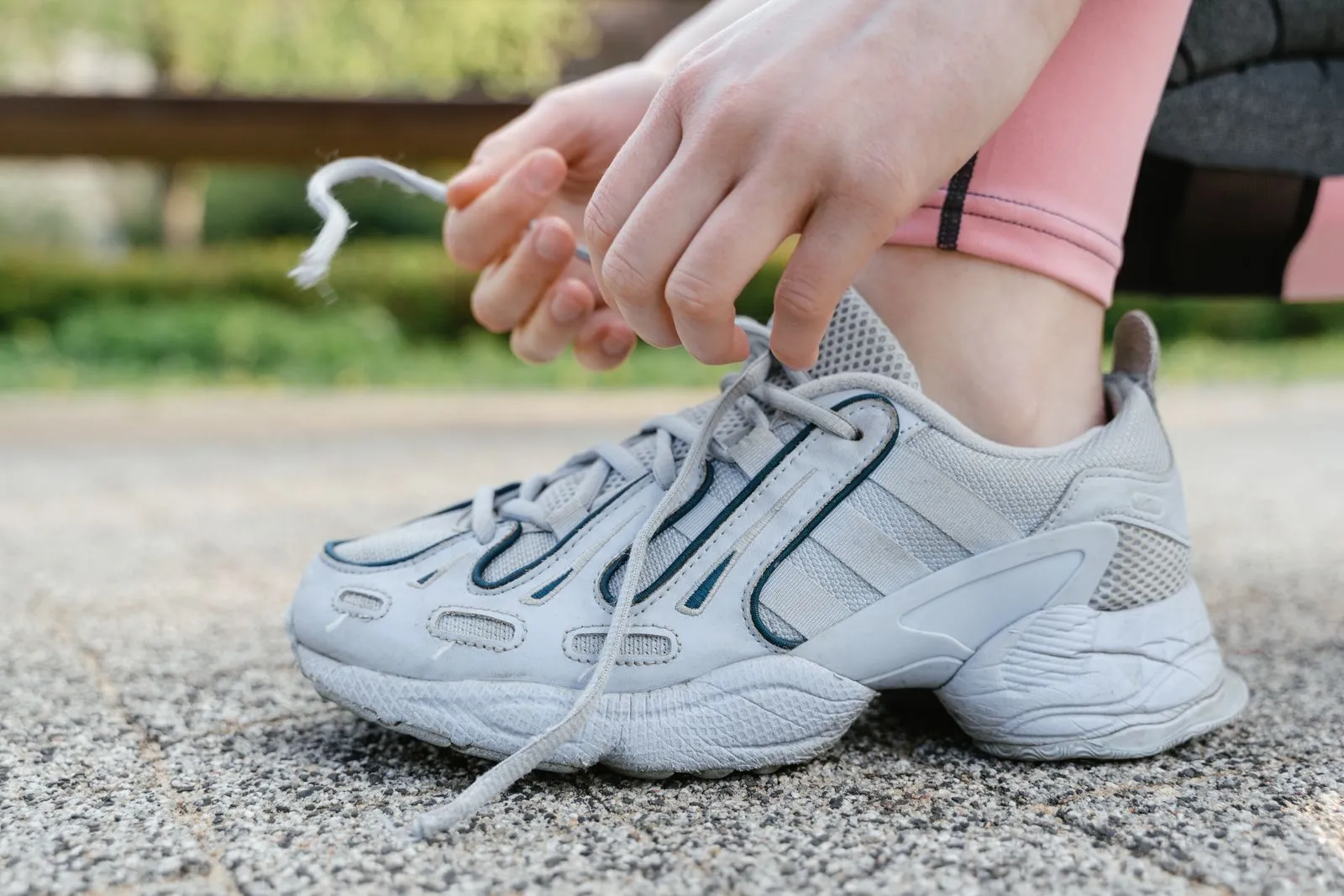
A good pair of children’s shoes should work through classroom routines, recess, and the trip home. Look beyond color and style: check whether the closure stays secure, the sole bends where the foot naturally flexes, and the material can handle everyday messes. Fit matters just as much. Use these practical checks to compare options and choose shoes your child can put on, move in, and care for with less effort.
Choose a closure your child can manage
Hook-and-loop straps are quick to fasten and adjust, making them useful for younger children who are learning to put on shoes independently. Check that the straps hold firmly and lie flat when closed. If they are too short, too stiff, or clogged with lint, they may not keep the shoe secure during active play.
Laces can provide a close, adjustable fit, but they need to stay tied. If your child is not yet comfortable tying them, consider elastic laces or another closure they can handle without help. Whichever style you choose, check that the heel stays in place and the foot does not slide forward when your child walks.
Check sole flexibility and grip
A school-and-play shoe should bend near the ball of the foot rather than fold easily through the middle. Hold the shoe at the heel and toe, then gently flex it. The sole should allow natural movement while still providing enough structure to support everyday walking and running.
Look for a textured outsole that grips common surfaces such as classroom floors and playground paths. A smooth, worn, or very stiff sole may feel less reliable during quick turns. Ask your child to walk and change direction in the shoes; watch for slipping, awkward steps, or a shoe that twists excessively.
Pick materials for everyday cleanup
Children’s shoes encounter dust, grass, food, and wet pavement. Synthetic materials and treated fabrics are often easier to wipe clean than delicate suede or light-colored mesh. Read the care instructions before buying, and consider whether the material can be cleaned with a damp cloth without special products.
Breathable mesh can help keep feet comfortable, but open-knit areas may collect dirt and take longer to dry. Leather or synthetic uppers may wipe down more easily, though they still need to dry fully after getting wet. Choose a material that fits your child’s routine, and avoid putting shoes near direct heat while drying.
Confirm fit before committing
Try shoes on with the socks your child usually wears to school. Check both feet while your child is standing, since feet can differ in size and spread under weight. There should be room for the toes to move without the shoe feeling loose, and the heel should not lift noticeably with each step.
Have your child walk, stop, and turn in the shoes. Ask about rubbing, pressure, or slipping, and inspect the skin after a short try-on if the child is too young to describe discomfort. Recheck fit as feet grow and shoes wear down; a secure closure cannot compensate for a shoe that no longer fits.
For school and play, prioritize a manageable closure, a flexible but supportive sole, easy-care materials, and a comfortable fit. Let your child test the shoes with a short walk before you decide. If you want help comparing options, Little Steps Boise can help you assess everyday features in person.